
History
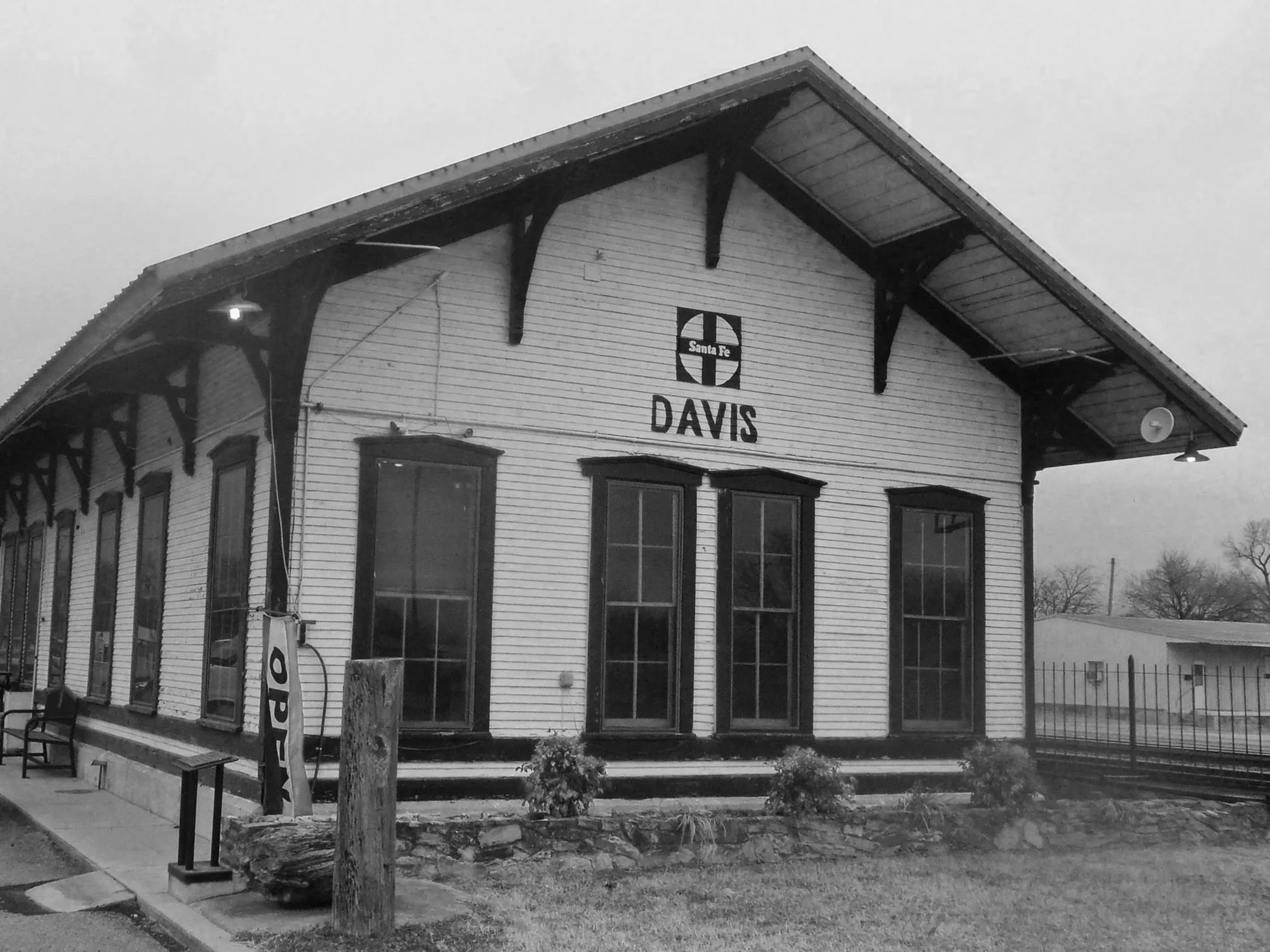
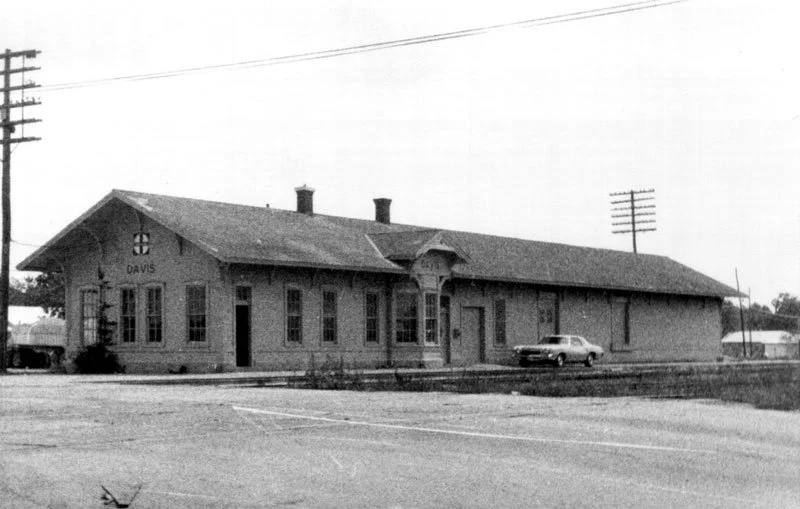
Davis, Oklahoma, like many small towns in the state, owes its beginnings to the Atchison, Topeka and Santa Fe Railway. What started as a quiet stop along the tracks has grown into a close-knit community, where trains still rumble through town, but most travel now flows along nearby U.S. Interstate 35, just two miles west, and along State Highway 7—Davis’s Main Street—and U.S. Highway 77, which cuts north-south through the city. Situated in southern Oklahoma, Davis lies roughly 100 miles south of Oklahoma City and about 150 miles north of Dallas, Texas, placing it within convenient reach of two major urban centers while retaining its small-town charm. The city operates under a council-manager form of government, reflecting a long-standing tradition of civic involvement and community leadership.
The city is named for Samuel H. Davis, who moved to Washita in the Chickasaw Nation, Indian Territory, in 1887. In 1890, he relocated his dry goods store four miles south to the present site of the town and successfully petitioned for a Santa Fe depot near his business. That same year, he secured a post office for the settlement. The town was originally proposed to be named Chigley, after Nelson Chigley, a Chickasaw whose land encompassed the site. However, that name was already in use elsewhere in Indian Territory. Samuel Davis’s post office petition of December 11, 1889, noted that his “place is very well known as Davis Store.” The town ultimately became Davis and was officially incorporated on November 16, 1898.
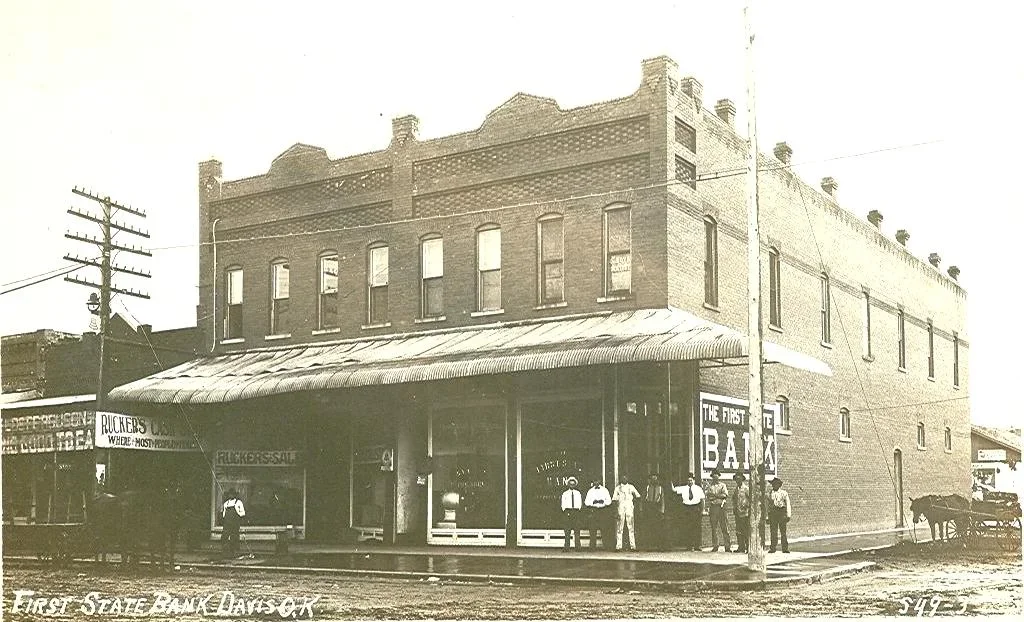
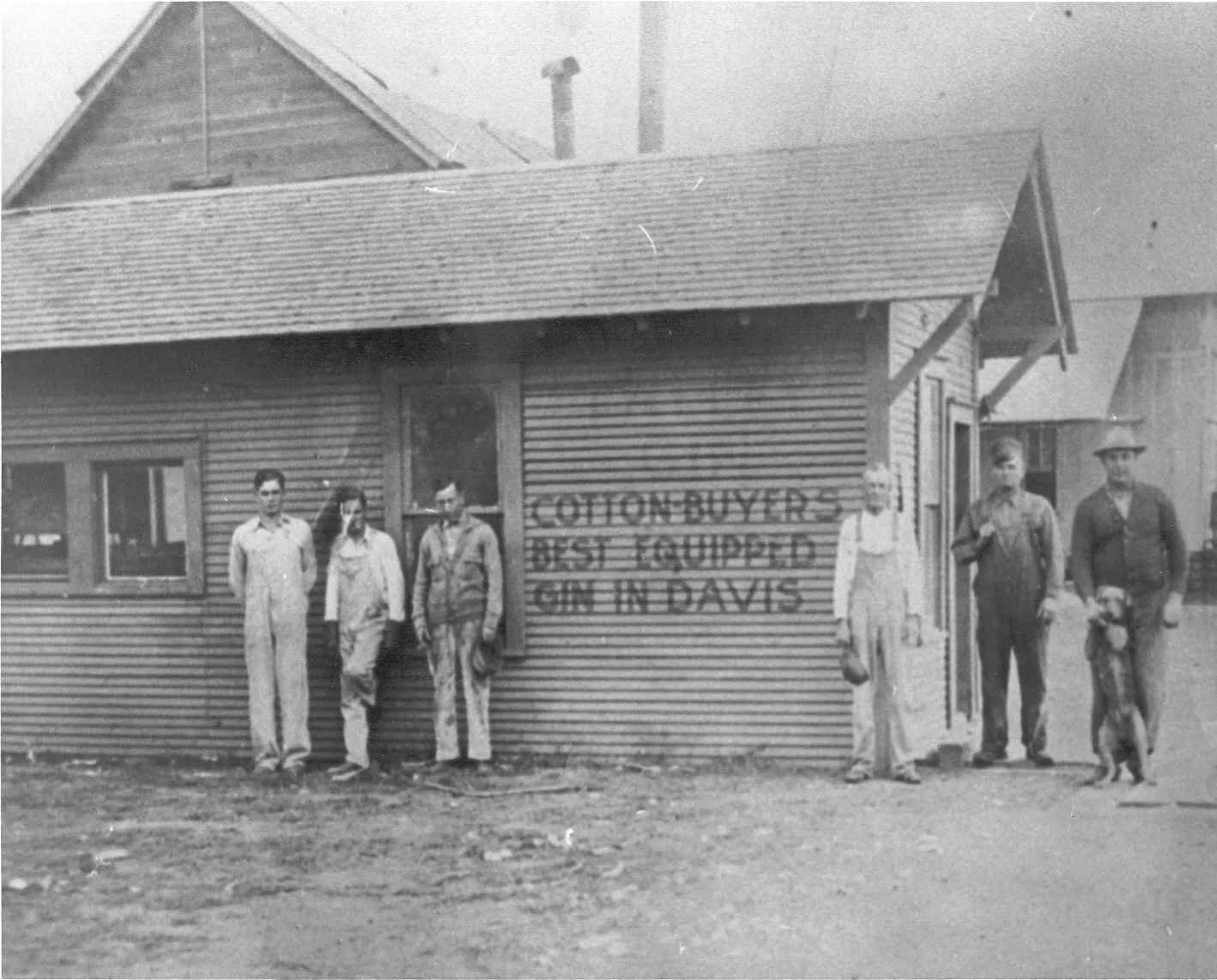
By 1900, Davis was a bustling community with fifty-seven businesses, two banks, ten doctors, three dentists, and three lawyers. Of its 1,346 residents, most who were not employed in retail worked as farmers, as the town lay at the heart of one of Oklahoma’s prime cotton-producing regions. Population growth remained steady over the decades: 1,705 in 1930, 2,203 in 1960, 2,782 in 1980, and 2,610 in 2000. By then, most residents were employed in sales, production, or service industries, with roughly one-fourth working in education, health, and social services. Only sixteen residents listed farming, fishing, or forestry as their occupation. The 2010 census recorded 2,683 residents.
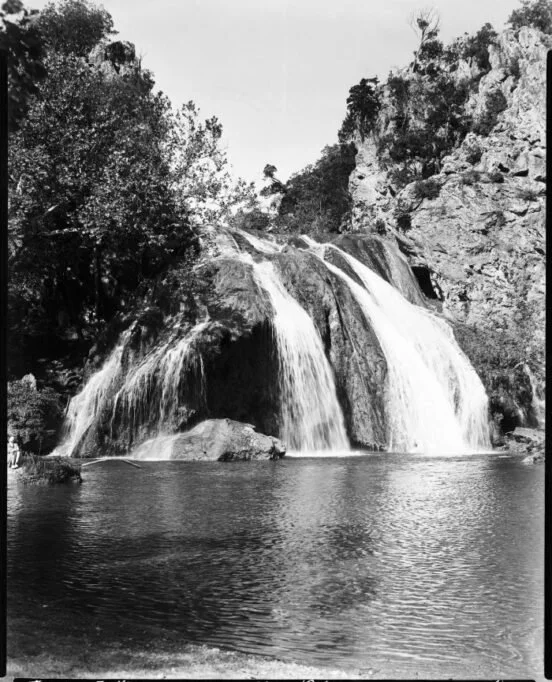
Davis is also home to Turner Falls Park, purchased by citizens for $21,000 in 1925. Nestled in the Arbuckle Mountains, the falls are named for Mazeppa Turner, a pioneer resident who represented Murray County in the Oklahoma Legislature from 1907 to 1911. Not far from Davis are Oklahoma’s Initial Point, from which most of the state (excluding the Panhandle) was surveyed, and historic Fort Arbuckle, both located about eight miles west. The Initial Point (NR 70000533) and the Davis Santa Fe Depot (NR 94001507) are listed on the National Register of Historic Places.